Understanding the Skills Gap in High Paying Careers
Imagine stepping into your dream job posting only to discover that the role requires a few more specialized skills than you currently possess. It might feel like hitting a roadblock, but It' actually a thrilling signpost to growth and opportunity. Whether you're a high school or college student planning your first career move, an early career professional looking to step up, a career switcher exploring new horizons, or a career counselor guiding the next generation, understanding and bridging that skills gap is your gateway to high paying careers.
At the heart of the matter lies a simple truth: the longer you wait to update your skills, the harder it becomes to catch up. Our blog will explore what the skills gap really means, why it matters most in high paying careers, and how you can assess and bridge this gap using practical and data-backed strategies.
Understanding Skills Gap
The skills gap refers to the divide between the competencies you possess and the expertise required for top-tier roles. In today's fast-changing economy, industries—from tech to finance—are evolving at a breakneck pace. Employers now emphasize not only current experience but also continuous learning and adaptability.
According to a recent World Economic Forum report, 2025-2030 will see important labor market transformations, rising employment roles, skill trends, and workforce development plans.
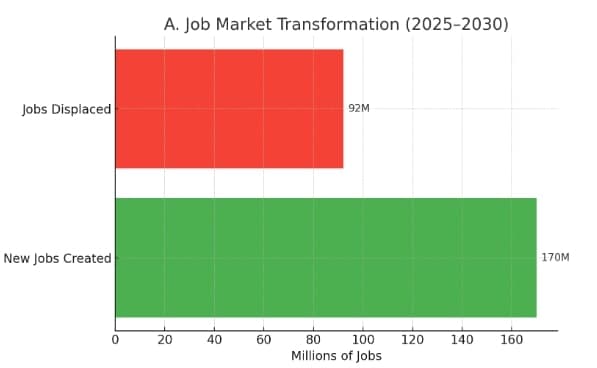
A. Job Market Transformation
- 22% of current jobs will be affected:
- 170 million new jobs will be created.
- 92 million jobs will be displaced.
B. Skills Outlook
- 39% of current worker skills will be outdated by 2030.
- Top growing skills:
- AI & Big Data
- Cybersecurity
- Technological literacy
The Impact of a Skills Gap on High Paying Careers
When it comes to high paying careers, the stakes are even higher. For individuals, a persistent skills gap can mean:
- Limited Career Advancement: Without the right skills, climbing the professional ladder becomes challenging. Employees may remain stuck in their current roles even when opportunities for leadership or specialized positions arise.
- Stagnant Earning Potential: Lacking required skills often translates to lost opportunities for substantial salary increases. Employers tend to reward those who continuously upskill.
- Reduced Marketability: In an environment where job requirements rapidly change due to technological innovation, not keeping pace with upskilling can leave professionals less competitive in the job market.
Key Causes Behind the Skills Gap
Understanding the root causes of the skills gap is essential for developing effective remedies. Several interrelated factors contribute to this mismatch, including:
Rapid Technological Advancements
New technologies continue to reshape job roles and work environments. As industries embrace digital transformation, traditional skill sets quickly become outdated.
Misalignment Between Education and Industry
Many educational institutions still operate on outdated curricula that fail to reflect current industry needs. As a result, graduates may leave school with degrees in fields that are not in demand or with skills that do not match the practical requirements of employers. This disconnect sets the stage for the skills gap that both employers and job seekers experience daily.
Insufficient Continuous Learning
In today's dynamic workplace, the notion of a "one-and-done" education is outdated. Continuous training, professional development, and on-the-job learning are now critical for maintaining career relevance. Without access to targeted training programs or mentorship opportunities, individuals can fall behind rapidly evolving industry standards.
Lack of Awareness
Both employers and employees might not fully recognize the specific skills required for emerging roles. Often, employees are unsure where to start when it comes to upskilling, and employers might hesitate to invest heavily in training when faced with rapidly shifting market demands.
How to Determine Your Own Skills Gap
Before you can bridge the gap, It' important to identify exactly where it lies. Here are some practical steps you can take:
Conduct a Skills Gap Analysis
Start with a simple comparison: list the skills required for the role you aspire to (or that are common in high paying careers within your industry) and then objectively assess your own strengths and weaknesses. This process can be done using self-assessment surveys or by benchmarking against job descriptions. Tools such as surveys or digital self-evaluations can help pinpoint specific areas for improvement.
Leverage Data-Driven Insights
Use career intelligence platforms or industry reports to gain concrete data about what employers are looking for. For example, data from organizations like Business News Daily and academic research often detail which technical and soft skills are most critical for high paying roles. Keeping an eye on these trends can help you stay ahead of the curve.
Solicit Feedback
Don't underestimate the value of feedback from managers or mentors. Their insights can help you understand which skills you may have overlooked and which areas require immediate attention.
Use Resume Comparison Tools
Consider using tools that compare your resume to job listings to surface concrete skill gaps. These tools can analyze the language, keywords, and skills mentioned in job descriptions against what's in your resume, providing an objective view of what's missing. This method offers a practical, data-driven approach to identifying specific areas where you need to upskill.
Identifying the gap is a crucial first step that sets the stage for targeted upskilling and professional development.
Effective Strategies to Bridge the Gap
Once you've identified your personal or organizational skills gap, It' time to take action. Here are several actionable strategies.
Invest in Continuous Learning
- Targeted Training: Enroll in courses that focus on the precise skills you need, whether that's advanced data analysis, modern programming languages, or leadership development. Online platforms such as Coursera, edX, and LinkedIn Learning offer tailored courses that keep pace with industry changes.
- Obtain Certifications: Acquiring industry-recognized certifications can validate your skills and boost your professional credibility. For instance, digital marketing professionals might consider certifications in analytics tools, while IT professionals can pursue advanced cybersecurity credentials.
- Workshops and Seminars: Regularly attending industry workshops can help you stay current with the latest trends and technologies.
Emphasize Soft Skill Development
- Communication Skills: Practice public speaking, effective written communication, and active listening. These abilities are crucial for collaboration, presentations, and stakeholder management.
- Problem-Solving and Critical Thinking: Engage in activities like case studies, brain teasers, or strategy games that enhance your analytical and decision-making capabilities.
- Leadership Training: Even if you're not currently in a management role, leadership skills such as delegation, empathy, and conflict resolution can make you a more valuable team member and prepare you for advancement.
Use Mentorship and Peer Networking
Connecting with experienced professionals who have successfully navigated skill gaps can be incredibly valuable. Learn from their career journeys, ask for advice, and consider joining professional networks to gain insights into how others have closed similar gaps.
Utilize Self-Assessment and Digital Tools
Take advantage of digital career intelligence platforms that provide data-backed insights into required skills. These tools can simulate career paths, compare your current skills to market demands, and even suggest tailored training programs.
Using Technology and Data to Close the Gap
Modern technology offers powerful tools to help both individuals and organizations manage the challenges of the skills gap. Digital platforms can analyze millions of career trajectories, providing data-driven insights into which skills consistently correlate with promotions and higher salaries.
Routed AI is here to act as your reliable career coach, offering interactive tools like Career Explorer, People Finder, and Path Comparison to provide data-backed insights and real-world career trajectories.
Here's how to take action now:
- Explore Your Career Path: Use our Career Explorer to simulate potential career routes, identify the required skills, and see which pathways have worked for professionals like you.
- Connect with Peers: Leverage People Finder to network with individuals who have bridged similar gaps.
- Stay Informed: Regularly check our latest data insights to keep your skills current and your career trajectory moving upward.
How Routed AI Bridges Your Skills Gap
Routed AI transforms the abstract concept of "skills gap" into a concrete, visual roadmap for career advancement. The platform begins by analyzing your resume or LinkedIn profile, creating a comprehensive baseline of your current capabilities. It then compares your skillset against real job descriptions for positions you're targeting, using advanced algorithms to match requirements across thousands of actual job postings.
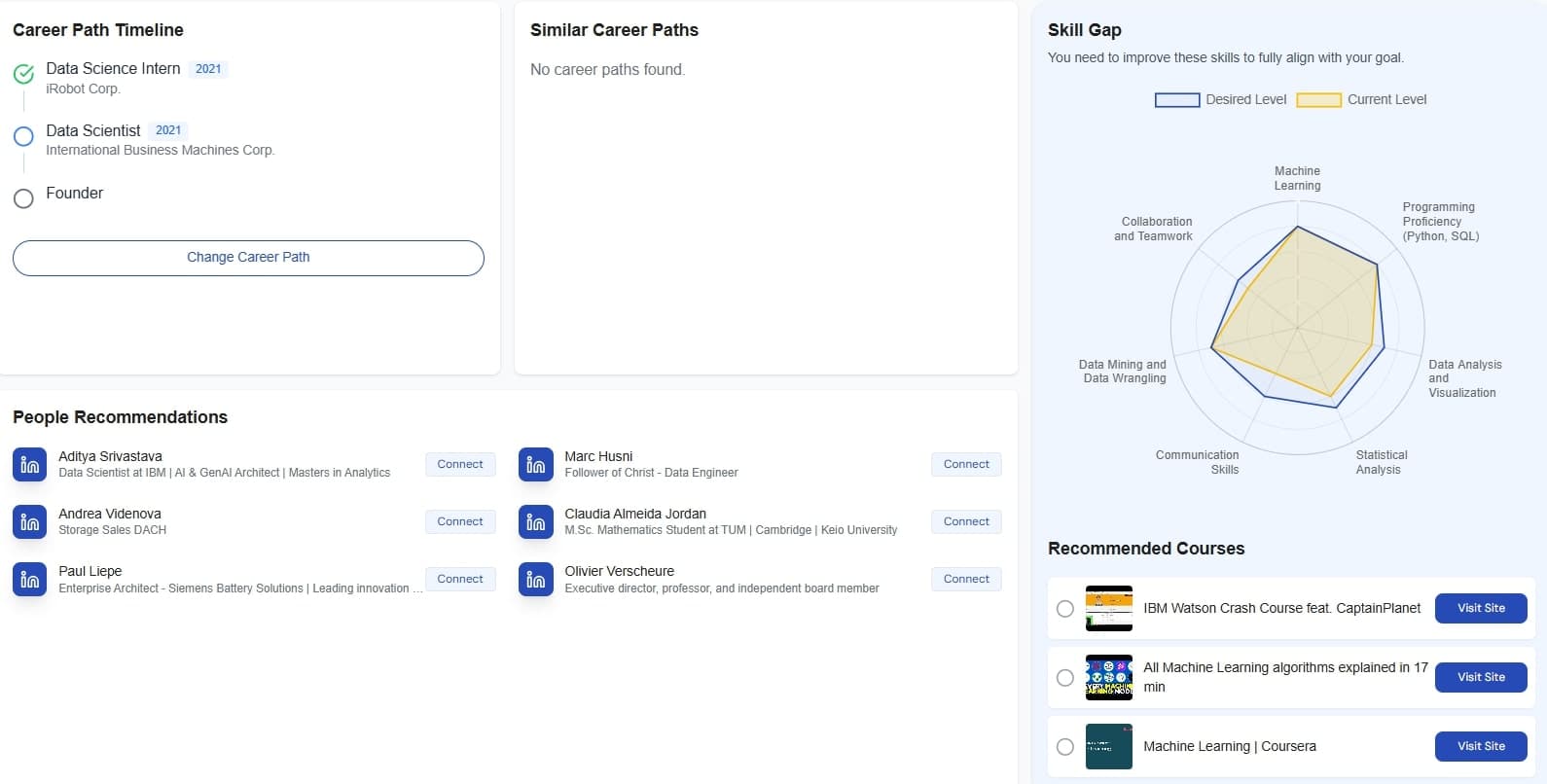
For instance, if you're a student targeting a data analyst role, the radar chart might reveal you're at 20% proficiency in SQL and completely lacking Tableau experience, while showing strong performance in Excel and statistics. Rather than leaving you to figure out next steps alone, Routed AI directly links each gap to relevant solutions:
- Immediate Micro-Tasks: Practice SQL queries through short, hands-on exercises that target real-world use cases.
- Recommended Courses: Use platforms like Coursera or DataCamp to build strong foundations in tools like Tableau and other data visualization software.
- Valuable Certifications: Focus on certification paths that are recognized by top employers in your field, such as Google Data Analytics or AWS Certified Data Analytics.
- Timeline Estimates: Get realistic expectations on how long it typically takes to close specific skill gaps—from a few weeks for basics to several months for advanced expertise.
This data-driven approach eliminates guesswork. Instead of wondering whether that Python course is worth your time, you'll see exactly how much it moves the needle on your career trajectory - backed by real career data from professionals who've successfully made similar transitions.
Conclusion
The journey toward bridging the skills gap is both challenging and immensely rewarding. A clear understanding of what constitutes a skills gap, and how it directly impacts high paying careers, is the first step toward overcoming it. By identifying which skills you need, leveraging modern digital tools, and committing yourself to continuous learning, you can dramatically enhance your career prospects and secure the positions that you truly deserve.
Are you ready to take charge of your future? Start by conducting a personal skills gap analysis today and map out your learning journey. Empower your career with the right skills at the right time and unlock the door to high paying success.

Sign up for our newsletter
Subscribe to our newsletter to receive product updates, news, and special offers.